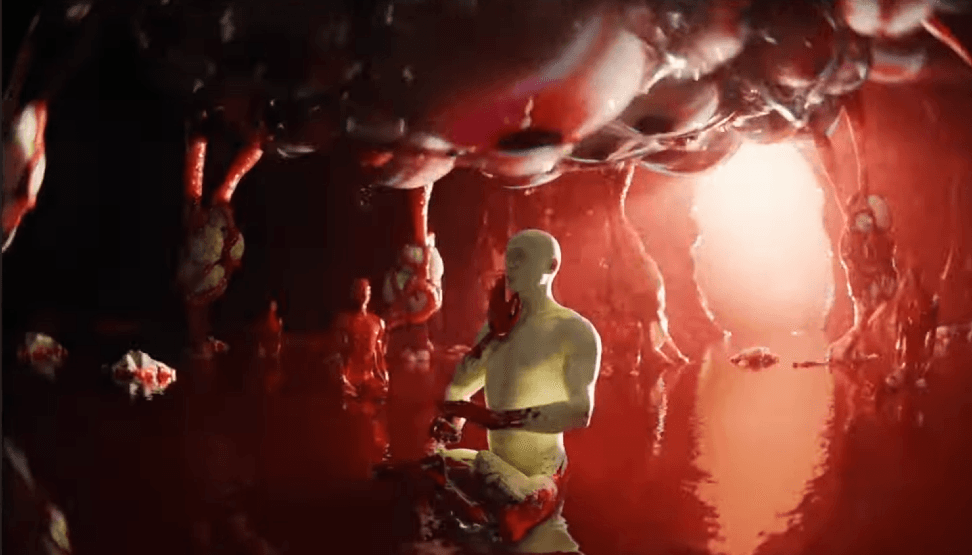
5 Artists Break Down Their Dream Sequence Process
Top finishers from Pwnisher’s Dream Sequence 3D Challenge sit down and walk through how they built the winning work. Five different minds, five different approaches, one shared obsession with getting the shot right.
The challenge, not the vibe board
Pwnisher’s 12th community challenge, DRÆM SEQUENCE, asked artists to build concert-style visuals that move on a 120 BPM bed, using a provided camera template or matching its specs. The lock was tight on purpose: 120 frames, 30 fps, 1080p. That’s four seconds of picture. Four seconds is nothing in a commercial, and everything when the camera is already decided for you.
A locked lens is a finishing problem as much as a 3D problem. You cannot hide a weak idea in a move. Lighting has to hold. Motion has to land on the beat. Edges have to survive a crop you did not choose. Watching the winners talk through it is useful even if you never open Blender, because the same constraints show up when a director hands you a locked hero and says make the rest of the spot feel like that.
Five names, five rooms
The process stream is Pwnisher sitting with the top five: Koala OK, mantaframe, Ted Heemskerk, Ben Symons, and Diss. Koala OK took first - a character artist with a long Blender stylized pipeline, and not his first time on that podium. mantaframe came second as a self-taught 2D/3D artist. Ted Heemskerk, a Dutch character animator, took third. Ben Symons and Diss rounded out fourth and fifth.
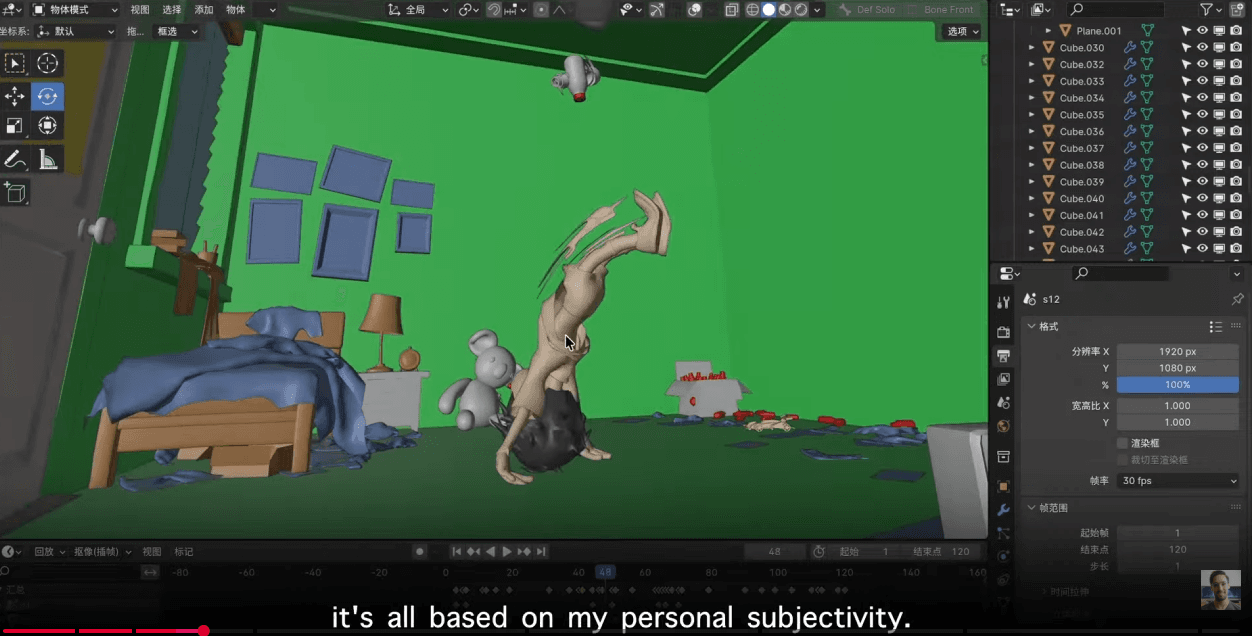
I am not going to pretend I was in their sessions. What the stream is good for is hearing how five people spent the same four seconds. One leans character. One leans graphic. One treats the camera like a concert truss. The point is not a ranked list of software. The point is that the brief was identical and the pictures are not.
Why a finisher should watch this
Dream-sequence work in advertising usually arrives as a pile: CG plates, live action, a music bed that will change twice, and a note that it should feel “unreal but expensive.” The Pwnisher brief is cleaner than that, which makes the craft easier to see. Beat-sync is not a plugin. It is counting. If the pulse is 120, you know where the hits live before you grade, before you add grain, before you glue a title on.
Watching the winners talk through it is useful even if you never open Blender, because the same constraints show up when a director hands you a locked hero and says make the rest of the spot feel like that.
- 5 Artists Break Down Their Dream Sequence Process
The camera templates matter for the same reason a pre-vis camera matters in a car spot. Once the move is shared, comparison gets honest. You can watch five lighting schemes fail or succeed against the same path. That is closer to how we actually finish than a showreel that cuts away every time the idea gets thin.
I watch for the unglamorous parts. How they talk about rendering. How they talk about the last night. How they decide what to throw away. Commercial finishing is mostly throwing away. The stream is a reminder that the pretty frame is the residue of a constraint, not the absence of one.
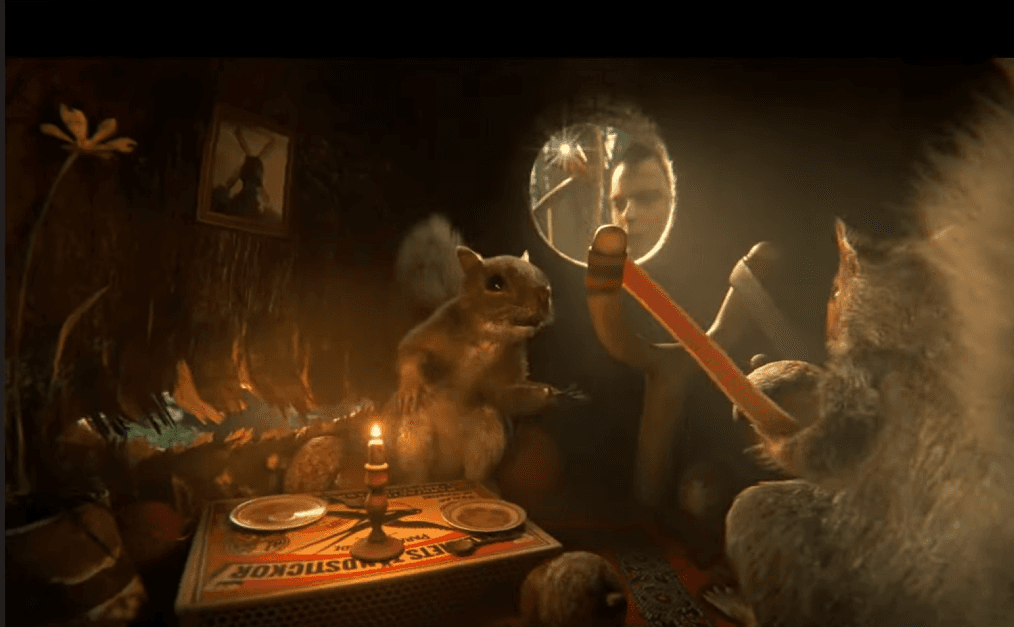
What I took back to the room
Concert visuals and commercial finishing overlap more than the job titles admit. Both are short. Both are public. Both have to survive a sound mix you do not control. If the picture only works with the music muted, it is not finished.
The other takeaway is taste under a template. Give a hundred and fifty artists the same camera and most of them will decorate it. The five on this stream treat the lock as a collaborator. That is the difference between a look and a solution. In color, we do the same thing with a hero still: one picture that tells the rest of the job what kind of light we are in.
Watch the stream. Steal the discipline, not the assets. Four seconds, 120 BPM, a camera you did not invent - and still five different rooms.